
Can I Remove Spray Foam Insulation Myself?
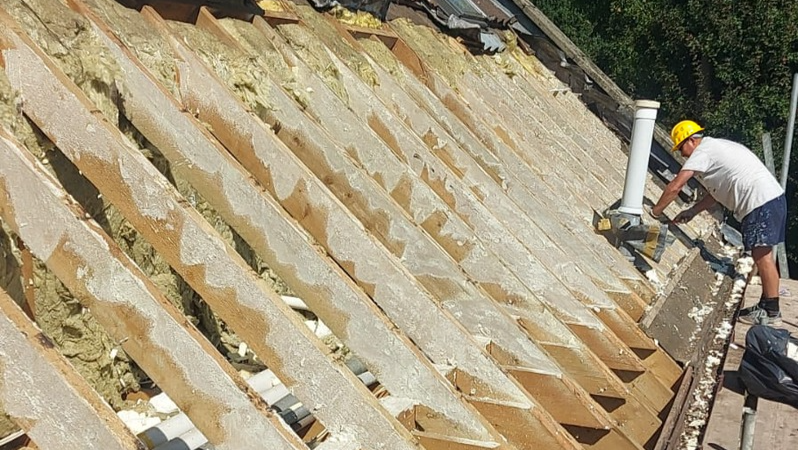
Spray foam insulation has become a popular choice for many homeowners thanks to its efficiency and long lifespan. However, as effective as it may be, there are instances where removing spray foam insulation becomes necessary. Whether it's for renovations, repairs, or improving ventilation, you might find yourself asking, "Can I remove spray foam insulation myself?"
At Countrywide Roofing and Insulation, we've worked with countless homeowners facing this very question. While it may seem like a task you can tackle solo, there are several factors to consider before diving in. This blog post will help you decide whether to take on this challenge or leave it to the professionals.
What Is Spray Foam Insulation and Why Might It Need Removing?
Spray foam insulation is a polyurethane-based material applied as a liquid that expands and hardens into a foam. It's excellent for sealing gaps, reducing heat loss, and improving energy efficiency. But there are reasons why removal may become necessary, such as:
- Property sales complications: Some mortgage providers are wary of spray foam due to potential structural and ventilation issues.
- Ventilation issues: Incorrect installation can lead to moisture buildup, mould, and rot.
- Renovations or repairs: You might need to access areas where spray foam is installed.
- Degradation or damage: Over time, spray foam can become less effective or damaged by pests or water leaks.
Understanding why you need it removed is key to deciding whether to do it yourself or hire professionals.
The Challenges of Removing Spray Foam Insulation
Removing spray foam insulation is not as straightforward as scraping it off with a putty knife. It's a demanding task with several challenges:
- Adhesion Strength
Spray foam bonds tightly to surfaces, including timber, metal, and brick. Attempting to remove it without damaging these materials requires skill and care. - Hard-to-Reach Areas
Spray foam often fills every nook and cranny, making it difficult to access and remove fully. - Health and Safety Risks
Disturbing spray foam can release particulates that may irritate your skin, eyes, and respiratory system. You'll need proper personal protective equipment (PPE), including gloves, goggles, and a mask. - Time and Labour Intensity
Depending on the area covered, removing spray foam insulation can take hours or even days, requiring consistent effort.
Considering these factors, it's essential to weigh whether you're prepared for the time, effort, and potential risks involved.
Can You Remove Spray Foam Insulation Yourself?
The safest route for homeowners is professional removal with a mortgage-approved certificate. Our professional spray foam removal service covers the full process — or book a free survey
Yes, you can remove spray foam insulation yourself, but it's not always advisable. Below, we'll outline the steps involved and discuss whether a DIY approach is realistic.
Steps for DIY Spray Foam Removal
- Gather the Right Tools
- Utility knife or reciprocating saw for cutting larger sections
- Pry bar for leverage
- Scraper or putty knife for surface removal
- Heat gun to soften foam (if needed)
- Industrial vacuum for debris removal
- Ensure Proper PPE
Wear gloves, goggles, and a respirator to protect yourself from debris and irritants. Work in a well-ventilated area to reduce exposure to fumes. - Begin with Large Sections
Use a knife or saw to cut out large chunks of foam. Take care not to damage underlying structures. - Scrape Away Residue
A scraper or putty knife can be used to remove foam residue, but this step can be laborious. - Clean the Surface
Once the foam is removed, clean the area with a solvent to eliminate any remaining adhesive. - Dispose of Waste Properly
Foam insulation waste must be disposed of according to local regulations. Check with your local council for guidance.
When DIY Isn't Ideal
Why Professional Removal May Be the Better Option
For many homeowners, professional spray foam removal is a safer and more efficient choice. Here's why hiring a company like Countrywide Roofing and Insulation can make a difference:
- Expertise and Experience
Our team knows how to remove spray foam insulation without compromising the integrity of your property. We understand the complexities of insulation systems and structural frameworks. - Specialised Equipment
We use professional-grade tools and techniques to remove foam quickly and thoroughly, even from challenging areas. - Health and Safety Compliance
Our team adheres to strict health and safety protocols, minimising the risks associated with foam removal. - Cost-Effectiveness
While DIY may seem cheaper, the cost of tools, PPE, and potential property damage can add up. Professional removal ensures the job is done right the first time. - Eco-Friendly Disposal
We handle the proper disposal of insulation waste, adhering to environmental regulations and reducing your carbon footprint.
The question, "Can I remove spray foam insulation myself?" ultimately comes down to your circumstances, skills, and comfort level. While it's possible to tackle small areas yourself, professional removal is often the safest, most effective option for larger projects.
At Countrywide Roofing and Insulation, we're here to help you make informed decisions about your home. If you're considering spray foam insulation removal, don't hesitate to get in touch with our team for expert advice and services.
For more information or to request a free consultation, contact Countrywide Roofing and Insulation today. Let us help you protect your home and ensure it remains comfortable, efficient, and safe for years to come.
Call us: 0808 134 2352
Email: info@countrywideinsulation.co.uk
DIY vs. Professional Spray Foam Removal: Weighing Your Options
One of the most common questions we hear is: what exactly are the pros and cons of tackling spray foam removal yourself versus calling in a professional? Understanding both sides clearly can help you make the right call for your property.
The Case for DIY: Potential Benefits
- Cost savings: DIY removal avoids professional labour fees, which can be substantial for larger jobs. If you're on a tight budget and the area is small, handling it yourself could reduce upfront costs.
- Control over the process: You set your own schedule and pace, with no need to coordinate with external contractors or wait for availability.
- Hands-on experience: Removing spray foam yourself can deepen your understanding of your property's insulation system.
The Risks of Going DIY: What Homeowners Often Underestimate
Think of DIY spray foam removal like DIY plumbing: it can seem straightforward at first, but complications quickly escalate. Around 30% of DIY home projects end up requiring additional professional repairs — often costing more than hiring a pro in the first place.
- Incomplete removal: This is the most underestimated risk. Spray foam is extremely adhesive, and leaving residual foam behind causes ongoing moisture, structural, and ventilation issues down the line. Incomplete removal can create further problems and additional expenses you hadn't anticipated.
- Property damage: Improper removal techniques — especially with closed-cell spray foam, which bonds rigidly to roof timbers and felts — can crack joists, tear underfelt, or damage structural elements. Repairs for this kind of collateral damage often far outweigh any savings from the DIY attempt.
- Health and safety exposure: Foam dust, chemical residues, and disturbed mould spores are genuine hazards. Without professional-grade PPE and ventilation, DIY removal puts your health at risk.
- Scheduling your life around a difficult job: Larger projects can stretch over days, disrupting your home life well beyond what you'd expect.
A Note on Closed-Cell Spray Foam
Closed-cell spray foam presents a particular challenge for DIY removal. Unlike open-cell foam, it forms a rock-hard, moisture-resistant shell that bonds powerfully to roof timbers. Attempting to remove it without specialist tools and training frequently leads to structural damage that is far more costly to repair than the removal itself. For closed-cell foam especially, professional removal isn't just recommended — it's the responsible choice for protecting your home's value and structural integrity.
The Professional Advantage
Properly completed professional spray foam removal — including re-insulation where needed — can restore your home's energy efficiency by up to 40%. Professionals bring specialist equipment, proven techniques for thorough foam extraction, safe disposal protocols, and the knowledge to spot related issues like mould or structural damage before they become bigger problems. The end result is a home that's mortgageable, insurable, and structurally sound.
Quick Comparison: DIY vs. Professional Removal
| Factor | DIY | Professional |
|---|---|---|
| Upfront cost | Lower (tools + PPE only) | Higher (labour + equipment) |
| Risk of incomplete removal | High | Very low (guaranteed thorough) |
| Risk of property damage | Significant | Minimal (specialist techniques) |
| Health & safety | High risk without proper PPE | Full compliance with safety standards |
| Speed | Slow (especially for larger areas) | Faster (specialist tools & team) |
| Suitability for closed-cell foam | Not recommended | Fully managed |
| Long-term outcome | Variable (risk of repeat costs) | Reliable, with re-insulation options |
For any area beyond a very small patch — or for any property where mortgage eligibility or resale value is at stake — professional spray foam removal is the strongly recommended route.
How Countrywide Roofing and Insulation Can Help
At Countrywide Roofing and Insulation, we pride ourselves on delivering high-quality services that prioritise your safety and satisfaction. Whether you're dealing with problematic spray foam insulation or considering alternatives, our team is here to guide you through the process.
- Comprehensive Inspections
We assess your property to determine the best approach for removing spray foam insulation. - Tailored Solutions
Every home is unique, and we create customised plans that suit your needs and budget. - Efficient Removal
Our skilled team works quickly to minimise disruption to your daily life while ensuring the highest standards of quality. - Insulation Replacement
If you're removing spray foam, we can recommend and install alternative insulation options that better meet your needs.
Conclusion: Should You DIY or Hire Professionals?
Spray Foam & Property Value: Selling, Mortgages, and DIY Risks
1. Can I sell my house with spray foam insulation?
Selling a property with spray foam can be difficult. Many buyers walk away once they learn about the potential issues — especially if a mortgage is involved.
Can I Sell My House with Spray Foam Insulation?
2. Why can't I sell my home? Could spray foam be the reason?Yes — spray foam in the loft is a common reason for failed sales, particularly if it raises structural or mortgage concerns. Find out how to identify if this is your issue:
Can't Sell Your Home? Spray Foam Insulation Could Be the Culprit
3. Can I get a mortgage if my home has spray foam insulation?Many lenders decline mortgage applications for properties with spray foam — especially older or poorly applied types. Here's why, and what to do:
Can We Get a Mortgage with Spray Foam?
Insurance providers may refuse coverage due to unknown risks behind sealed foam, like moisture or timber damage. Learn the details:
Can You Insure a House with Spray Foam Insulation?
Technically, yes — but it's risky. DIY removal of spray foam can lead to roof damage, safety hazards, or even worse resale value. Read this before you try:
Can I Remove Spray Foam Insulation Myself?
Absolutely. Rogue contractors offering quick fixes can make your home unsellable or cause further damage. Avoid costly mistakes by knowing the warning signs:
Beware of Rogue Companies: How Quick-Fix Spray Foam Removal Can Leave Your Home Unsellable
Yes, especially when it traps pre-existing moisture. This hidden issue can worsen over time and lead to health or structural problems:
Can Mould Grow Behind Spray Foam Insulation?
By accepting you will be accessing a service provided by a third-party external to https://countrywideinsulation.co.uk/
